Preparing Your Plumbing System For A New Sink Installation In Houston
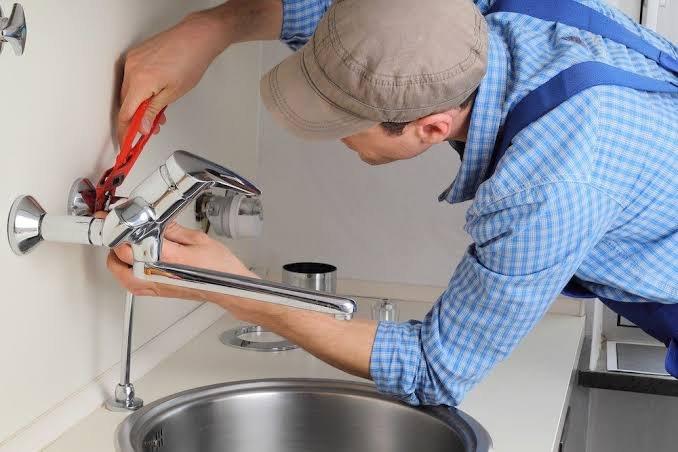
Installing a new sink can improve the appearance, convenience, and functionality of a kitchen, bathroom, laundry area, or utility space. However, successful installation involves much more than choosing an attractive fixture and placing it into a countertop. The plumbing system underneath and behind the sink needs to be properly prepared to support reliable water delivery and drainage.
For homeowners planning a new sink installation Houston, checking existing plumbing conditions before work begins can prevent unexpected complications. Pipe placement, shutoff valves, drainage configuration, water pressure, and available space can all influence how smoothly the installation proceeds.
Inspect The Existing Plumbing
One of the first steps is evaluating the plumbing that will connect to the new sink. Existing supply lines and drainpipes may have been installed years or even decades ago. Although they might still function, signs of corrosion, leakage, mineral buildup, or physical damage should be addressed before connecting a new fixture.
Look underneath the existing sink for moisture, staining, rust, loose fittings, or unusual odors. These conditions may indicate problems that deserve attention. Installing a new fixture without correcting existing plumbing issues can result in leaks or drainage problems later.
Older homes may also have plumbing configurations that are not ideal for newer sink designs. An inspection can help determine whether adjustments are necessary.
Check The Water Shutoff Valves
Shutoff valves allow water to be stopped locally without turning off the supply to the entire property. Before replacing a sink, these valves should be tested to make sure they operate correctly.
Valves can become difficult to turn when they have not been used for a long time. They may also develop small leaks around their connections. If a valve is damaged or unreliable, replacing it during the sink project can make future plumbing maintenance much easier. Both hot and cold water connections should be checked before installation begins.
Evaluate The Drain Configuration
A sink needs more than a dependable water supply. Wastewater must also move efficiently into the home’s drainage system.
Different sinks have different bowl depths, drain locations, and dimensions. A deeper kitchen sink, for example, may position the drain opening lower than the previous fixture. This can affect how the P trap and waste pipe need to be configured.
Homeowners preparing for sink installation Houston projects should make sure the selected fixture is compatible with the available drainage arrangement. Trying to force pipes into unsuitable positions can create unnecessary bends or poor connections that may contribute to slow drainage and leaks.
Measure The Available Cabinet Space
The area underneath a sink can become crowded quickly. Drainpipes, water lines, garbage disposals, filtration systems, and stored household products may all compete for space.
Before purchasing a sink, measure both the countertop opening and the cabinet below it. Pay particular attention to sink depth. A large or deep basin may leave less room for existing plumbing components.
Accurate measurements are particularly important when changing from one sink style to another. Moving from a traditional top mount sink to an undermount model, for example, may involve countertop modifications as well as plumbing adjustments.
Consider Faucet And Accessory Connections
Modern sink areas often include more than a standard faucet. Homeowners may want a pull-down sprayer, water filtration faucet, soap dispenser, garbage disposal, or other accessories.
Each additional feature can affect plumbing preparation. A filtration system may require additional tubing, while a garbage disposal changes the drainage setup underneath the kitchen sink. Planning these components before installation reduces the likelihood of discovering space or connection problems midway through the project.
The countertop or sink should also have the correct number and placement of openings for the selected fixtures.
Examine Water Pressure And Supply Lines
Flexible supply lines connect the shutoff valves to the faucet. Their condition is important because a damaged connection can cause water leakage inside the cabinet.
Existing supply lines should be inspected for cracking, corrosion, kinks, or worn fittings. Replacing aging connections during a sink installation can be more practical than continuing to rely on components that are already deteriorating.
Water pressure should also be considered. Unusually weak flow may indicate a restriction in the supply line, while excessive pressure can place unnecessary stress on plumbing connections.
Clear And Prepare The Work Area
Preparing the physical workspace makes installation easier and safer. Everything stored beneath the existing sink should be removed before plumbing work begins. Cleaning the cabinet also provides an opportunity to look for hidden water damage.
If the cabinet floor is swollen, stained, or soft, an old leak may have been present. Identifying its source is important before installing new plumbing components.
The surrounding countertop should also be cleared so that the old fixture can be removed without damaging nearby items.
Plan For Long-Term Accessibility
Plumbing should remain accessible after the new sink is installed. Shutoff valves, traps, and supply connections may eventually require inspection or maintenance. A sink or storage arrangement that completely blocks these components can make simple repairs more difficult. Thoughtful preparation considers not only the installation itself but also future servicing needs.
Final Thoughts
A new sink can provide a noticeable improvement to a kitchen or bathroom, but its long-term performance depends heavily on the plumbing supporting it. Inspecting pipes, testing shutoff valves, reviewing drainage alignment, measuring available space, and planning accessory connections can prevent many common installation difficulties.
Preparing these details before the old sink is removed helps create a smoother installation process. More importantly, it ensures the new fixture is connected to a plumbing system capable of supporting dependable water flow and drainage for years to come.